Cooler Weather, Same Hydration Needs: Why Hydration Still Matters in Florida
Just because you're sweating less doesn't mean you should stop paying attention to hydration.
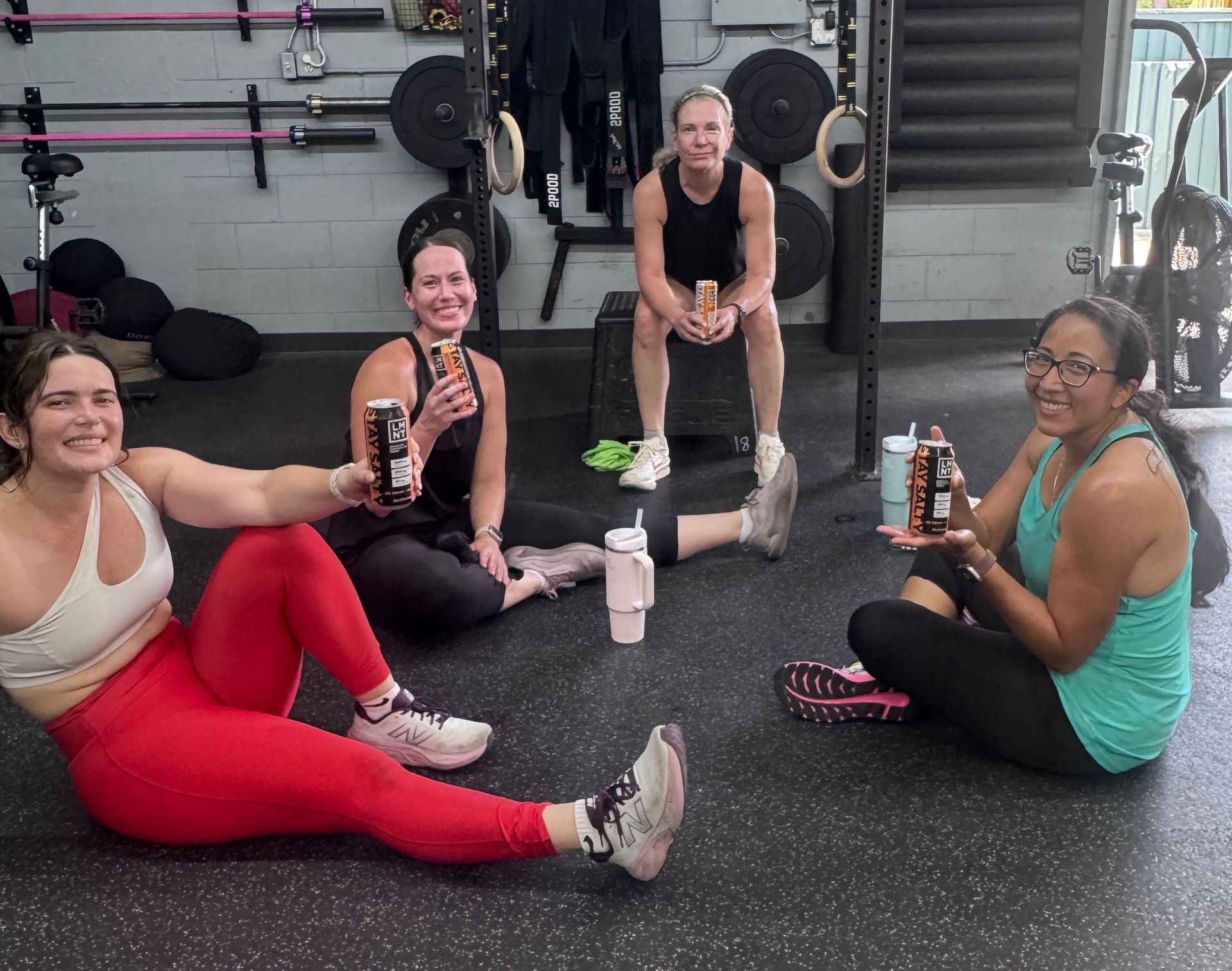
It's October in Florida, and while we're certainly not experiencing anything close to winter weather, there's a noticeable difference between now and those brutally hot June, July, and August days. The mornings are a little more comfortable, the humidity is starting to ease up, and workouts at CrossFit Winter Park might not leave you quite as drenched in sweat as they did a couple of months ago.
But here's something worth remembering: Just because you're not sweating as much doesn't mean hydration becomes less important.
Why We Tend to Drink Less When Temperatures Drop
During the summer, staying hydrated is usually top of mind. You're hot, you're sweating, and your body is constantly reminding you to drink water.
As temperatures become more comfortable, those reminders may not be as strong. Research shows that exposure to genuinely cold temperatures can reduce our sensation of thirst, even when our bodies need fluids. One study found that participants exercising at 39°F experienced approximately 40% less thirst than those exercising at 81°F.
While we're nowhere near those colder temperatures in Winter Park, the takeaway is still relevant: Don't rely exclusively on how thirsty you feel to determine whether you're drinking enough.
You're Still Losing Fluids During Workouts
Even when the weather feels better, your body continues to lose fluids through several processes:
- Sweating: You might not be soaked after a workout, but you're still losing fluids and electrolytes through sweat.
- Breathing: Your body loses moisture every time you exhale, particularly during intense exercise.
- Normal bodily functions: Your kidneys continuously regulate fluid and electrolyte balance.
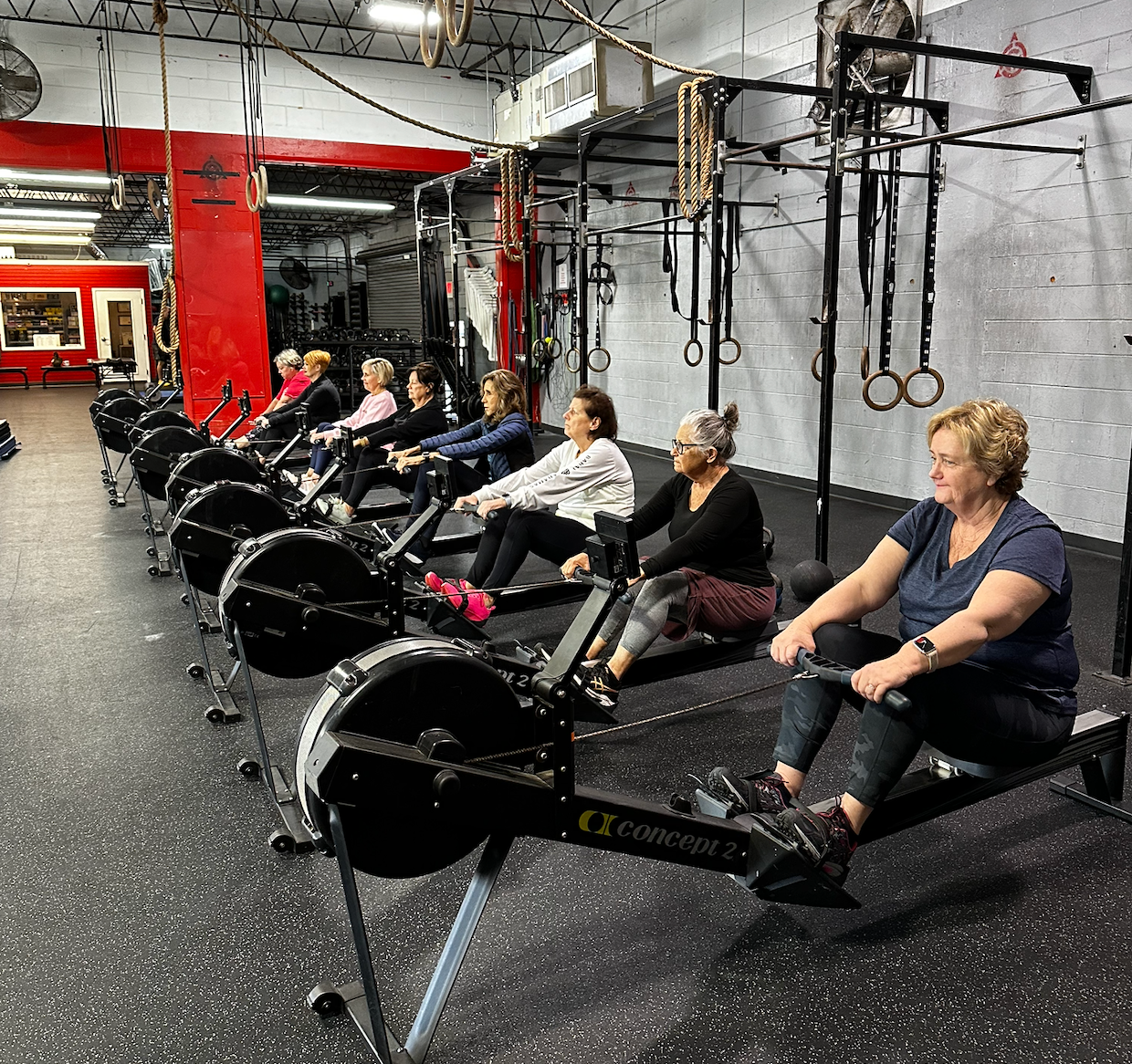
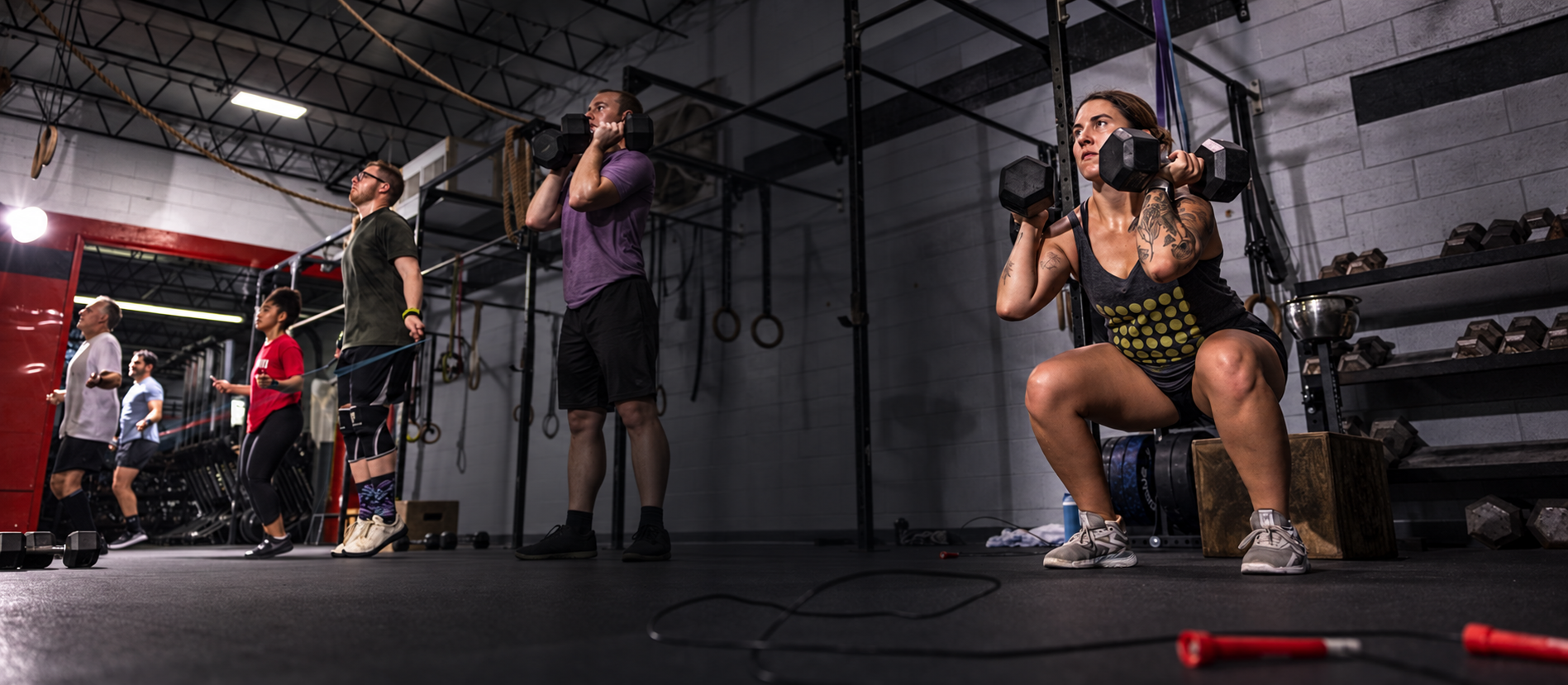
And remember, our workouts at CrossFit Winter Park aren't necessarily getting easier just because the weather is becoming more comfortable! Whether you're working through a strength session, a conditioning workout, or a Bootcamp class, your body still needs adequate hydration to perform and recover.
Don't Forget About Electrolytes
Hydration isn't just about drinking water. Electrolytes, including sodium, potassium, and magnesium, help regulate fluid balance and support normal muscle and nerve function. Sodium is particularly important during exercise because it's the primary electrolyte lost through sweat.
Electrolyte needs vary from person to person, depending on factors such as activity level, sweat rate, diet, and individual physiology. Even when you're not sweating heavily, maintaining proper electrolyte balance is important for muscle function, hydration, and overall performance.
The key is finding the right balance. Drinking water is essential, but making sure you're getting adequate electrolytes is also an important part of staying properly hydrated.
A Few Simple Hydration Reminders
As we transition into Florida's cooler months, keep these habits in mind:
- Start your day with water rather than waiting until your workout.
- Bring your water bottle to every class, regardless of the temperature.
- Pay attention to your hydration throughout the day, not just during exercise.
- Remember that electrolytes play an important role in hydration, even when you're not sweating heavily.
- Stay consistent with your hydration habits year-round.
Stay Hydrated at CrossFit Winter Park!
We may be leaving behind the most intense summer heat, but hydration is still an important part of training, performance, and recovery.
Looking for an easy way to add electrolytes to your hydration routine?
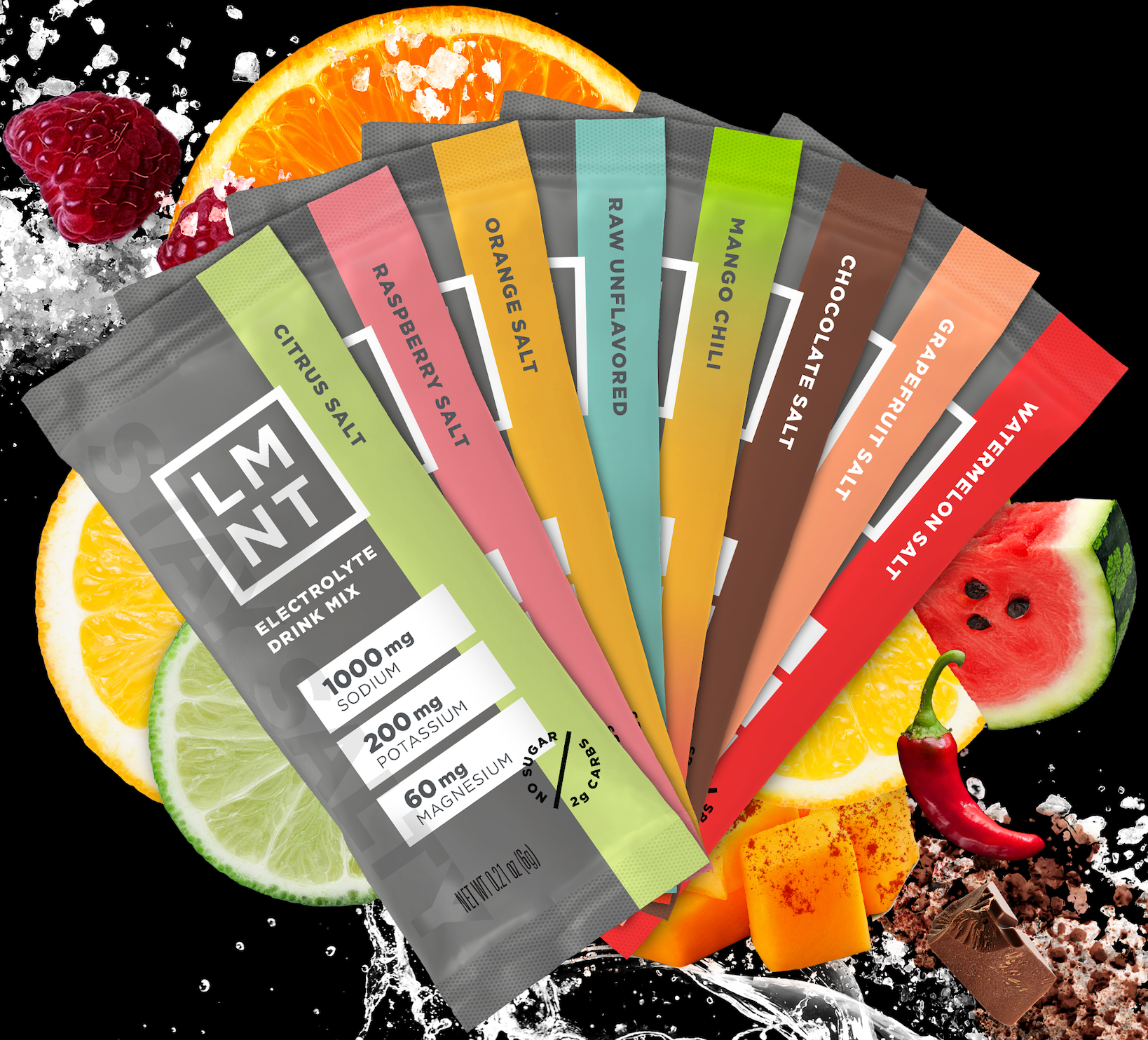
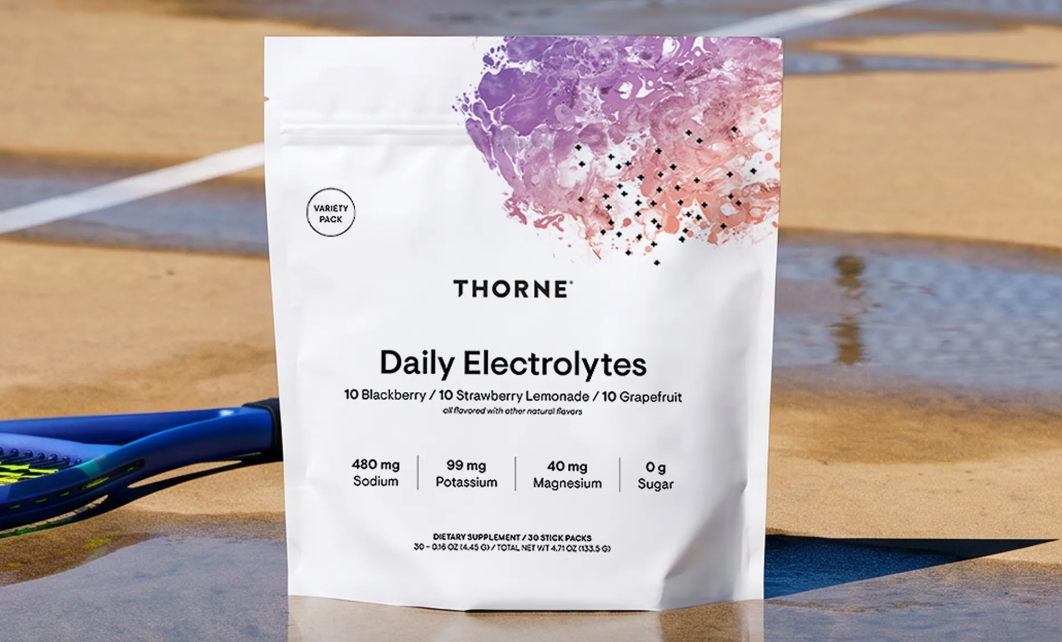
Stop by the office at CrossFit Winter Park and check out our selection of LMNT and Thorne electrolyte products. We have several options available to help you find something that works for your training and hydration needs.
Stay hydrated, train hard, and enjoy the slightly cooler Florida weather!
Source: Adapted from LMNT's article, "Winter Hydration: Navigating Cold Weather, Altitude, and More." LMNT Electrolytes
Recent Posts